

D M C : ค้นหาหนังสือธรรมะ หน้า 243 / 265
หน้าหนังสือทั้งหมด
275
Understanding the Basics of SEO
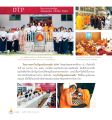
โครงการพระไตรปิฏกฉบับธรรมชัย (DTP) โดยศูนย์ฤทธศาสตร์ศึกษา DCI เริ่มตั้งแต่วันที่ ๒๒ เมษายน พ.ศ. ๒๕๕๓ ภายใต้อํานวจ์ของหลวงพ่อมงคล โดยมีเป้าหมายเพื่ออนุรักษ์คัมภีร์พระไตรปิฏกในฉบับให้คงอยู่เป็นมรดกของโล
This text explores the essential elements of search engine optimization (SEO), covering keyword research, on-page and off-page optimization, link building strategies, and the importance of quality con
276
Sample Title
รูปภาพเป็นเอกสารที่ประกอบด้วยข้อความและภาพต่าง ๆ ดังนี้:
ข้อความในเอกสาร:
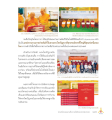
"ภาพ: วันจันทร์ที่ ๔ พฤศจิกายน พ.ศ.๒๕๖๒ พระเทพวรญาณบรมครูเจ้าเขียนบันทึกโครงการพระไตรปิฏกฉบับธรรมรามคำแหง"
"ภาพ: พิธีลงนาม M
This is a summary of the content that provides an overview without including web URLs except for dmc.tv.
281
Untitled Document
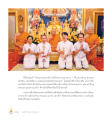
เชิญในแต่ละปี วัดพระธรรมนายมีการจัดโครงการอบรมต่าง ๆ ให้แก่พระภิกษุ สามเณร นักเรียน และนักศึกษา ตลอดจนสารธูปเป็นจำนวนมาก โดยเน้นไปที่การรักษาศีล และการฝึกสมาธิอย่างจริงจัง ด้วยสิ่งอำนวยความสะดวกครบถ้ว
This is a summary of the untitled document which covers the main points and discussions present in the content. It highlights key ideas and provides an overview of the topics discussed. For more infor
282
Language Processing Techniques
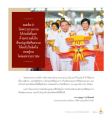
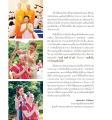
ผมเห็นว่า
วัดพระธรรมกาย
ได้ก่อตั้งขึ้นมา
ด้วยความตั้งใจ
ที่จะปลูกฝังศีลธรรม
ให้ลงไปในจิตใจ
ของผู้คน
โดยเฉพาะเยาวชน
This content delves into the various techniques used in language processing within the field of computational linguistics. It covers methods such as tokenization, parsing, semantic analysis, and machi
285
Untitled Book Page
เมื่อได้รับการตามที่หลวงพ่อธัมโมโพสน รู้สึกถูกจริงกับตัวเอง พอจึงรู้สึกโล่ง โปร่ง เบาสบาย มีความสุข และพบว่าตนเองเปลี่ยนแปลงไปเยอะ จากเมื่อก่อน ใครขัดใจอะไรไม่ได้ เพราะตัวเราเต็มไปด้วยกลิ่น แต่งแตะแต่
This summary provides an overview of the main ideas and concepts presented in the book, focusing on key themes and insights. It highlights important discussions, character developments, and essential
286
The Art of Mindfulness
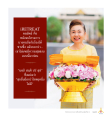
ิRETREAT
ผลลัพธ์ คือ
หลังจบโครงการ
บางคนถึงกับร้องไห้
ซาบซึ้ง แล้วบอกว่า...
เขาไม่เคยมีความสุขสงบ
แบบนี้มาก่อน
"นฤดล สนฺติ ปริ สุข"
ซึ่งแปลว่า
"สุขอันยิ่งกว่าใจหยุดนิ่งไม่มี"
This book delves into the practice of mindfulness, explaining its benefits on mental health and overall well-being. Mindfulness techniques are detailed to help individuals manage stress, improve focus
292
Unnamed Content
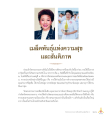
เมล็ดพันธุ์แห่งความสุขและสันติภาพ
ก่อนเข้าวัดพระธรรมกายฉันไม่ได้มีความคิดเห็นหรือกังวลใจมากนัก พอได้มีโอกาสมาวัดครั้งแรกก็เกิดความประทับใจ ๕ ประการคือ ๑. วัดมีพื้นที่กว้างใหญ่แต่สะอาดและมีระเบียบ ๒.
This is a summary of the content that outlines the main themes and points discussed throughout the text while omitting any URLs except for dmc.tv.
295
Introduction to Quantum Mechanics
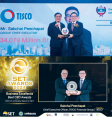
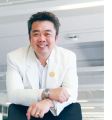
Mr. Sakchai Peechat
GROUP CHIEF EXECUTIVE
34,079 Million Bt.
Sakchai Peechat
Chief Executive Officer, TISCO Financial Group | TISCO
Quantum mechanics is the foundation of modern physics that describes the behavior of particles at the smallest scales. It introduces concepts such as wave-particle duality, where particles exhibit pro

299
The Power of Habit
โกหลีเบรด, อี๊ คุ้ม เต็มค่า
In 'The Power of Habit', author Charles Duhigg delves into the science of habits, explaining how they work and how they can be transformed. The book highlights the neurological patterns behind habits,
300
Untitled
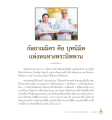
กัลยาณมิตร คือ บุพนิมิตแห่งหนทางพระนิพพาน
This content provides various insights and information on diverse subjects, aiming to enhance understanding. The text serves as a resource for readers seeking to expand their knowledge base. For more
302
The Art of Reading
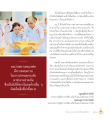
เรื่องจิตใจผมว่าที่วัดสอนได้ดีมาก คนเข้าไปใหม่ ๆ ถ้าจิตใจไม่มั่นคงดี จะเข้าใจขึ้นเรื่อย ๆ เราต้องไปศึกษาด้วยตัวเองจริง ๆ ถึงจะเข้าใจจริง ๆ
555 ปี ที่วัดเดิมโตมา ผมว่าเพราะหลวงพ่อมีความสามารถในการนำคน
This section delves into the various strategies for improving reading comprehension and effectiveness. It discusses the significance of active reading, such as annotation and summarization, and emphas
307
Understanding the Principles of Marketing
There is no visible text in the image to perform OCR on.
This text provides an overview of fundamental marketing principles crucial for developing effective business strategies. Key components include understanding consumer behavior, conducting thorough mar
311
Understanding the Impact of Climate Change
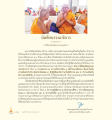
บันทึกบรรธานิการ
"ทำดีฉันเป็นวัฒนธรรมองค์กร"
พระราชวชรศาสนวิเทศ (สำราว กุลโล) ประธานสงฆ์พระธรรมฑูตไทยในยุโรป เจ้าวาสวัดไทยนอร์เวย์ ท่านได้รับรางวัลมุอรรถ์ครูโลก วันที่ ๒๖ เมษายน พ.ศ. ๒๕๖๔ พี่น้อมท่าน
Climate change is a significant challenge facing humanity today, impacting ecosystems, weather patterns, and human activities. This book delves into the causes of climate change, including greenhouse
315
Untitled Text Analysis
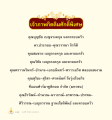
เจ้าภาพกิตติ์มิตศักดิ์พิเศษ
คุณบุญชัย เบญจจริงกุล และครอบครัว
Dr.ประกอบ-คุณวรรณา จิรกิตติ
คุณสมชาย เบญจจริงกุล และครอบครัว
คุณวิชัย เบญจจริงกุล และครอบครัว
คุณพรวนรินทร์-อำนาจ-เอกธนินทร์-พรวาเอริส พล
This content delves into the specific themes and discussions presented in the text extracted from the book page. It highlights the main ideas and provides insights into the overall message conveyed by
329
Introduction to Quantum Physics
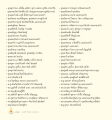
ค ณสวรรยา-เอ่งลี้ม-ผุสธา-สุขา-สมพร-สุขชัย-พรอาร ย- ค ณเพชรรัตน์ ต นดิษฐาม ย นอชธรรมมหาปูชน ย อาจารย- ดร.ว ฒ ศิฤกษ-ธนพล-ณทร มพงษ- พญ.จิตมาส โชคฐ กร
Quantum physics revolutionizes our understanding of the microscopic world, introducing concepts like wave-particle duality, uncertainty principle, and quantum entanglement. It plays a crucial role in
331
Untitled
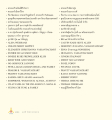
ครอบครัวนันติวิริยะประภา
ครอบครัวอินทร์โทร
ทีม Shotirot, ครอบครัวมุจฉาพันธ์, ครอบครัว Pollmann
ชุมชนศึกษาฯพทศศาสตร์และประเพณี มหาวิทยาลัยธรรมศาสตร์
ตะวันบนดอย ชมรมแสงตะวัน
บุคลากร รุ่นที่ ๒ ชาตุลานจ์
No summary available due to lack of content.
333
Untitled
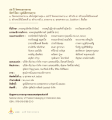
55 ปี วัดพระธรรมกาย
จัดทำโดย : มูลนิธิธรรมกาย
๑. วัดพระธรรมกาย ๒. เดินไปสู่ความสุข ๓. 55 ปี วัดพระธรรมกาย ๔. สร้างวัด ๕. สร้างพระให้เป็นคนดี ๗. สร้างบารมี ๘. ธรรมกาย ๙. พุทธศาสนา ๑๐. Buddhism ๑. ชื่อเ
This is a summary of the content that highlights the main ideas and themes discussed. It provides an overview of the key points and insights while directing readers to dmc.tv for more information.
15
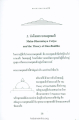
มหาธรรมกายเจดีย์และพระบรมรุพุทธเจ้า
มหาธรรมกายเจดีย์
2. ว่าด้วยพระบรมรุพุทธเจ้า
Maha-Dharkmaya Cetiya
and the Theory of Jina Buddha
ในความรู้ทั่วไป พระบรมรุพุทธเจ้า คือ พระพุทธเจ้าที่ตรัสรู้ล่วงไปนานแล้ว โดยอุฏฐฏฐ ในหนึ่งจักรวาลจะมีพระ
บทความนี้นำเสนอเกี่ยวกับมหาธรรมกายเจดีย์และพระบรมรุพุทธเจ้าซึ่งถือเป็นพระพุทธเจ้าใหญ่ในหนึ่งจักรวาล อธิบายบทบาทและความสำคัญของพระบรมรุพุทธเจ้าผ่านทฤษฎี Jina Buddha ที่มีหลักฐานในประเทศเนปาล ซึ่งประกอบ
22
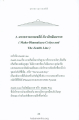
มหาธรรมกายเจดีย์และมัชฌิมมรรค
มหาธรรมกายเจดีย์
3. มหาธรรมกายเจดีย์ กับ มัชฌิมมรรค
( Maha-Dhamakaya Cetiya and The Zenith Line )
อะไรคือ Zenith Line
Zenith Line คือ แนวเส้นตั้งฉากกับฐาน หรือระนาบใดๆ ถือเป็นเส้นที่รงพลังสูงสุด ไม่ม
บทความนี้สำรวจความสัมพันธ์ระหว่างมหาธรรมกายเจดีย์และมัชฌิมมรรค โดยเน้นการใช้แนวคิด Zenith Line ซึ่งเป็นเส้นที่แสดงถึงพลังสูงสุดและการวางโครงสร้างที่มีความสำคัญในทางศาสนา เส้น Zenith Line เปรียบเสมือนแ
29
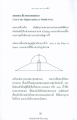
มหาธรรมกายเจดีย์และแนวทางสายกลาง
มหาธรรมกายเจดีย์
แกนกลาง คือ หนทางสายกลาง
(Axis is the Majjim-makka or Middle Way)
มองจากด้านข้าง มัชฌิมมรรคของมหาธรรมกายเจดีย์ยังคงดำเนินต่อไปในส่วนของแนวลาด (Clading) และภายในแกนนี้ยังคงบรรจุหรือม
มหาธรรมกายเจดีย์เป็นสัญลักษณ์ของหนทางสายกลางในพระพุทธศาสนา โดยแกนกลางแสดงถึงหลักการทางวิชาการที่คู่ควรกับเสาแห่งรูปเคารพ ในขณะที่การฝึกสมาธิและการเข้าถึงธรรมกาย โดยการชี้แจงของหลวงพ่อวัดปากน้ำ ทำให้เข